

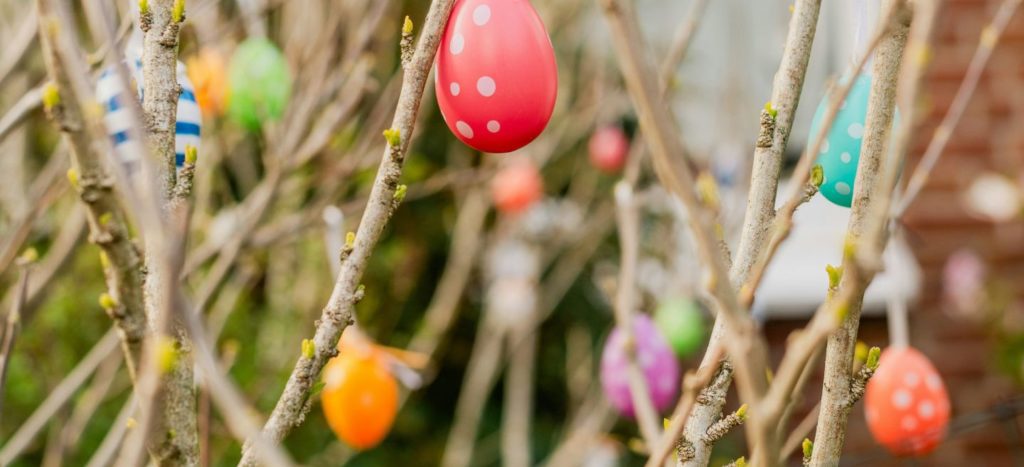
Easter in Europe: 8 Places to Visit by Train in 2027
Painted Eggs, Processions and Springtime in Europe
Easter is a lovely time to visit Europe. The days are getting longer, the first signs of spring are appearing and, in southern Europe at least, the weather is often just right for sightseeing without the intense heat of summer.
It’s also a time when you can immerse yourself in the Easter traditions of Europe, much more extravagant events than in the UK. In Florence, an elaborate cart is set alight outside the cathedral. In Seville, enormous religious floats are carried through the streets. In Prague and Vienna, historic squares host Easter markets with beautifully decorated eggs.
There are plenty of other reasons to take a holiday in Europe during spring, aside from the Easter celebrations. With longer days, gardens coming into bloom and generally milder weather, it’s a lovely time to hop on a train and explore.
We’ve picked out eight of our favourite European destinations to visit around Easter and spring in 2027. All are easily accessible by train and can be included in one of our suggested holidays or a tailor-made itinerary.
Why is Easter a good time to visit Europe?
Spring is a wonderful season for sightseeing to avoid the extremes of summer heat and winter cold. In southern Europe, temperatures are generally comfortable for wandering around historic cities, sitting outside at cafés and spending time in parks and gardens. Further north, you might still need a warm coat, but the longer days are a welcome sign that spring is on its way.
Outside the Easter holiday period, popular attractions are usually less crowded and it’s a pleasant time to enjoy neighbourhood cafés, local markets and visit major sites before the busier months of the year.
During the Easter weekend, though, major celebrations mean some places can be busy. If there’s a specific event you’d like to see, it’s worth planning well ahead.
Looking for more spring inspiration? Read about the Best Gardens in Europe to Visit by Train, many of which are at their best in the spring, and European Festivals Worth Travelling for in Early 2027.
When is Easter in Europe in 2027?
Western Easter Sunday falls on 28 March 2027, with Good Friday on 26 March and Easter Monday on 29 March.
Orthodox Easter is celebrated later, on 2 May 2027, in countries including Greece, Romania and Bulgaria.
The different dates mean Easter celebrations take place across a longer period in Europe. Some markets and events begin several weeks before Easter Sunday, giving you more flexibility when planning a holiday.
Florence, Italy: The Explosion of the Cart
Florence celebrates Easter Sunday with the centuries-old Scoppio del Carro, or Explosion of the Cart. An elaborate cart known as the Brindellone is pulled by white oxen to Florence Cathedral, where a mechanical dove travels along a wire from the altar to ignite a spectacular fireworks display! According to tradition, a successful flight of the dove promises good fortune and a good harvest for the year ahead. The spectacle takes place on Easter Sunday, 28 March 2027, and will draw large crowds to Piazza del Duomo.
Florence is a wonderful place to visit in spring, even if the Easter celebrations are not on your list. See Botticelli’s Birth of Venus at the Uffizi Gallery or cross the famous Ponte Vecchio, lined with jewellery shops. For a different view of the city, head up to Piazzale Michelangelo and look out across Florence’s rooftops and the River Arno. And don’t miss the opportunity to enjoy authentic Tuscan food and wine in the city’s many restaurants.
Italy’s high-speed rail network makes Florence easy to combine with Rome, Venice or Bologna. But spring is also a lovely time to see more of Tuscany, when wildflowers begin to appear in the countryside and temperatures are comfortable for exploring historic towns. Our Tuscany in Detail holiday takes you through the Alps via the Brenner Pass to Florence, with stays in Siena and Lucca and the option of a wine-tasting excursion.
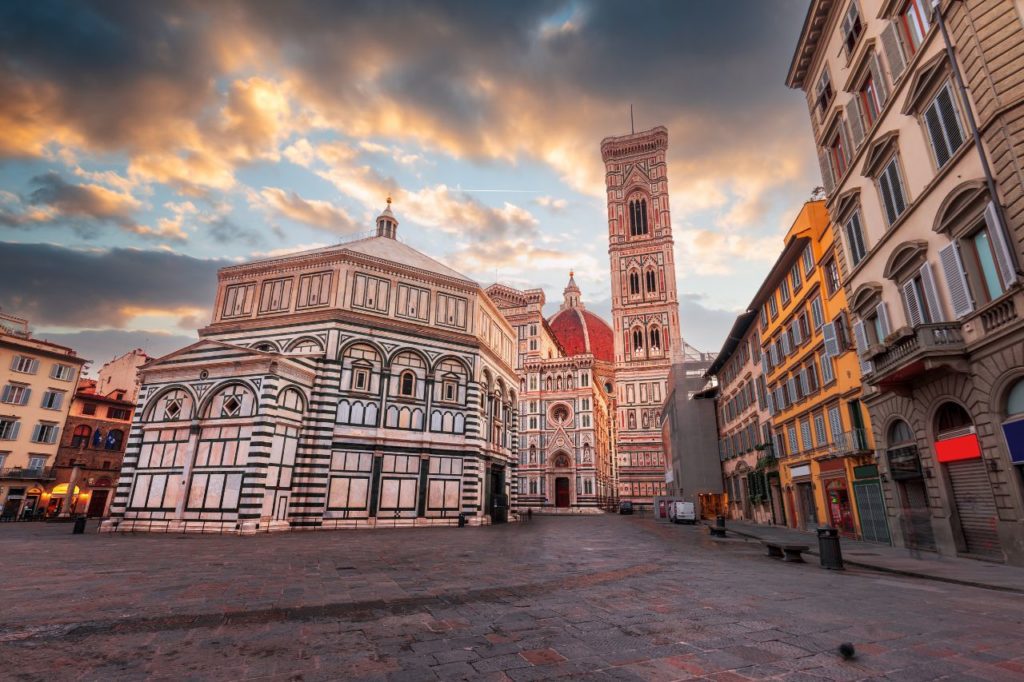
The Duomo, Florence
Prague, Czechia: Easter markets and painted eggs
If you enjoy Europe’s Christmas markets, Prague’s Easter markets are the next best thing, but without the colder temperatures. The city’s historic squares fill with decorated wooden stalls selling traditional crafts, such as beautifully painted Easter eggs, known as kraslic. Look out for pomlázka too, braided willow branches decorated with colourful ribbons, traditionally used in Czech Easter Monday customs. And you’ll find plenty of stalls selling typical regional food.
Prague’s Old Town Square is the setting, with its Gothic churches and famous astronomical clock overlooking the Easter festivities. Away from the markets, explore Prague Castle, walk across Charles Bridge or stop for a Czech beer in a traditional pub.
Prague is well connected by rail to other Central European cities. Our Warsaw, Kraków and Prague itinerary includes two of Poland’s most interesting cities, both with their own Easter markets and traditions.
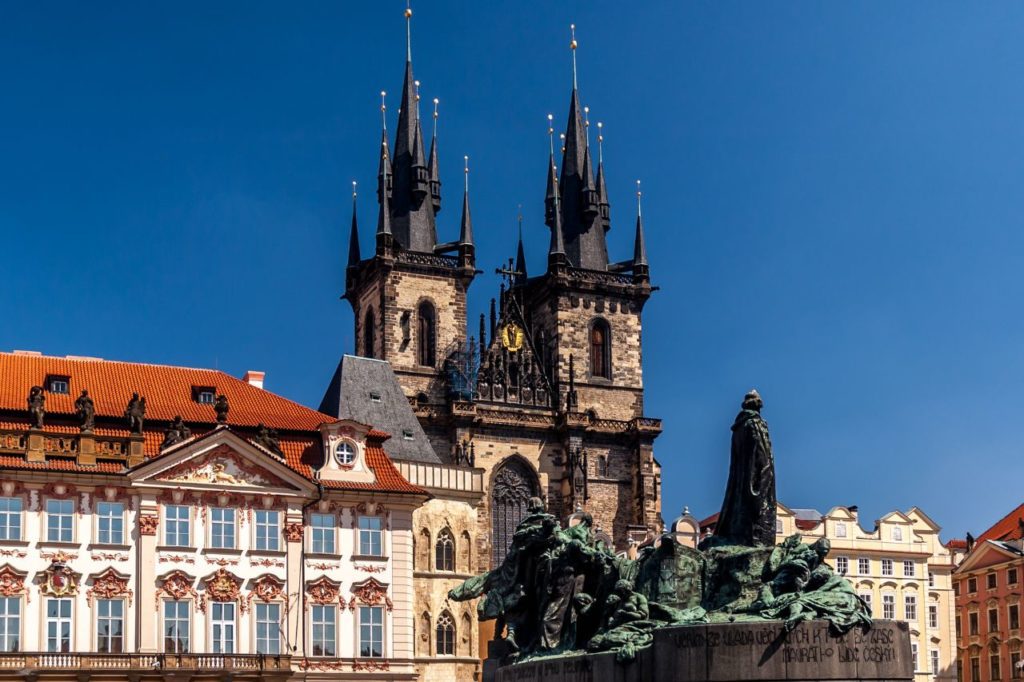
Main square in Prague
A little further east: Orthodox Easter in Serbia
Easter comes later in Serbia, where Orthodox Easter Sunday falls on 2 May in 2027. Celebrations are centred on church services and the tradition of decorating eggs, often dyed red to symbolise Christ’s blood. Families take part in egg-tapping competitions to see whose egg has the strongest shell!
For a longer spring holiday, take a look at our Eastern Europe Explorer itinerary – it starts in Gdańsk in Poland and includes stops in Prague and Budapest before reaching Belgrade, Serbia’s capital. There’s also a stop in Novi Sad along the way. Time your visit for early May to see Serbia’s Orthodox Easter celebrations.
Vienna, Austria: Easter markets and imperial palaces
Vienna’s Easter markets are a highlight in its annual calendar. At Freyung, thousands of hand-painted eggs create a colourful display, and Schönbrunn Palace hosts another popular market in its grand courtyard. Stalls are packed with Austrian crafts and seasonal treats, including Osterpinze, a traditional sweet Easter bread.
Spring is a great time to explore Vienna’s palace gardens or take a stroll through the Prater, the city’s enormous public park. And there’s always an excuse to stop for coffee and a slice of Sachertorte in one of Vienna’s historic cafés.
Vienna is particularly easy to combine with other Central European capitals. Budapest, Vienna and Prague by Rail includes time in all three cities, all of which have their own Easter traditions.
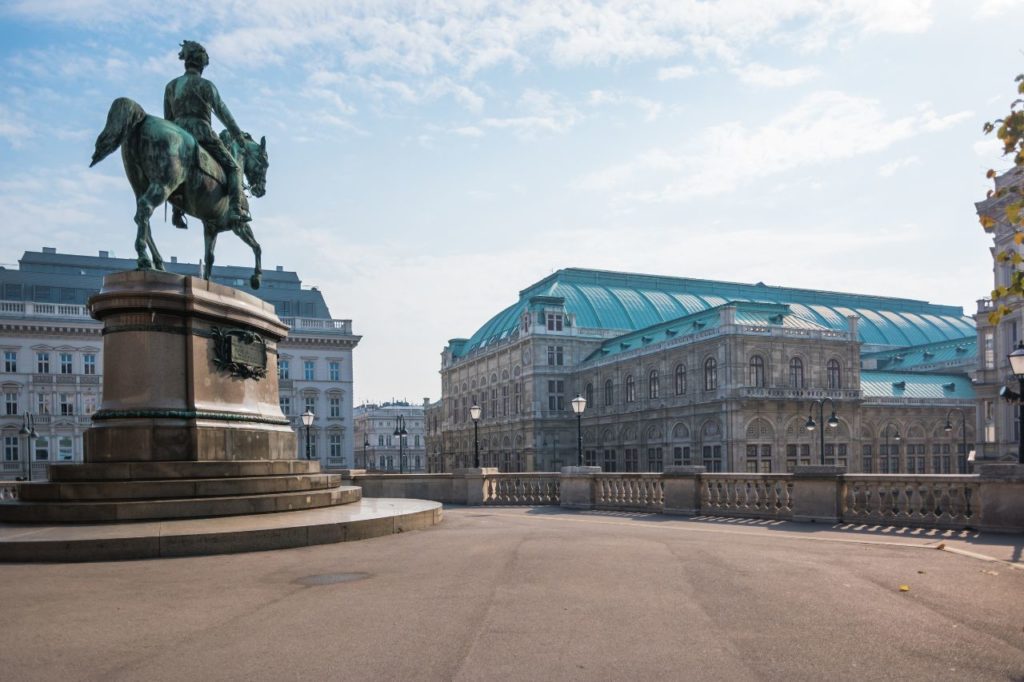
Franz Joseph I Statue And Vienna Staatsoper
Salzburg, Austria: Music for Easter
Founded in 1967 by conductor Herbert von Karajan, the Salzburg Easter Festival is one of Europe’s leading classical music events. The 2027 festival takes place from 20 – 29 March, when the Berlin Philharmonic returns for a programme of opera and orchestral concerts.
Salzburg’s Baroque old town is easy to walk around, overlooked by the imposing Hohensalzburg Fortress. Visit Mozart’s birthplace or browse the shops along Getreidegasse, before stopping at one of the city’s traditional coffee houses.
The surrounding lakes and mountains are also within easy reach, and it’s possible you’ll still find snow on high ground in March. Salzburg is well connected by train to Vienna and Munich.
One of our most popular holidays featuring Salzburg is the Austrian Explorer which calls at Vienna, Innsbruck and the lakeside town of Zell am See.
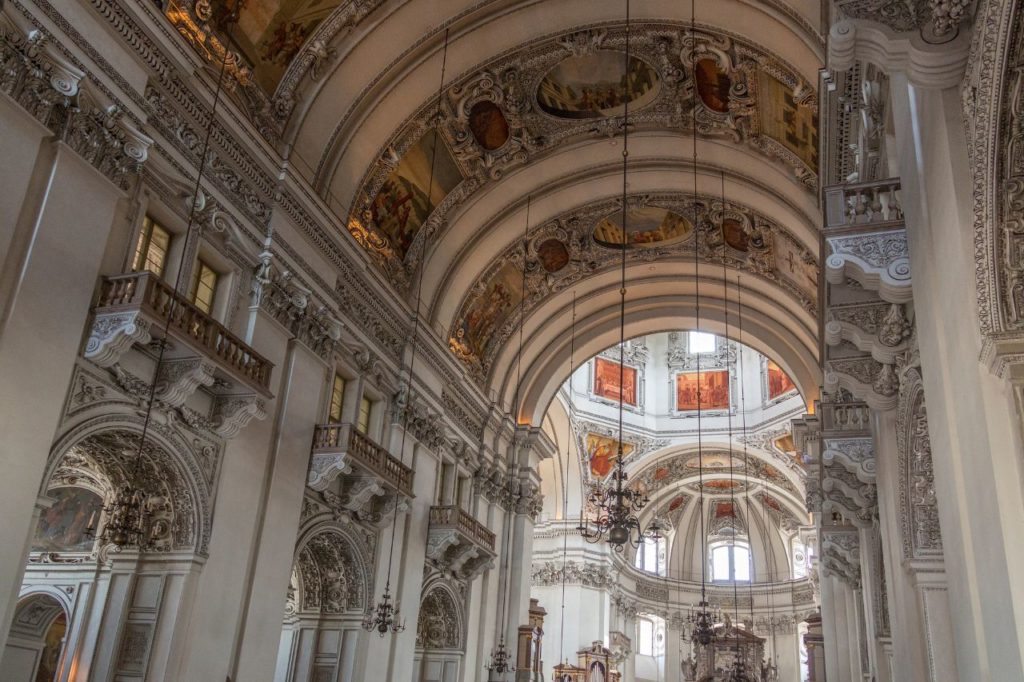
Salzburg Cathedral
Amsterdam, Netherlands: Tulips and spring days
Easter falls close to the start of the Dutch tulip season. The famous flower displays are one of the highlights of a spring visit to Amsterdam.
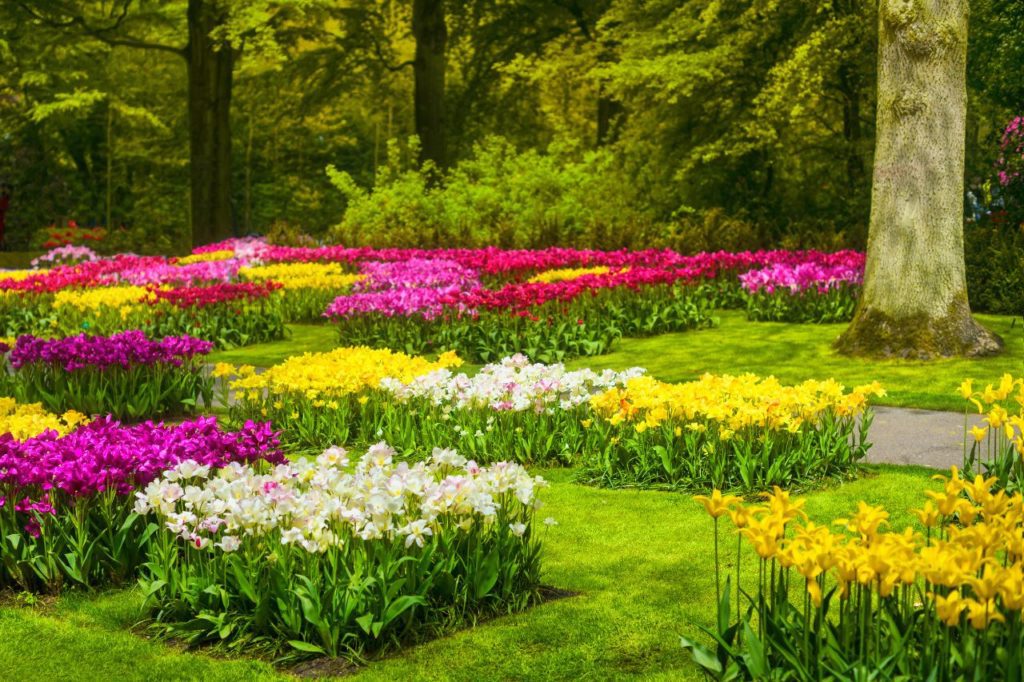
At Keukenhof gardens, near Lisse, millions of bulbs produce spectacular displays of tulips and other spring flowers. The gardens usually open from late March until mid-May, although the best time to see the blooms depends on the weather. You can also visit the surrounding bulb fields, where colourful stripes of flowers stretch across the countryside.
Back in Amsterdam, take a canal cruise or visit the Rijksmuseum to see works by Rembrandt and Vermeer. And, the city’s neighbourhood markets and waterside cafés are lovely places to spend a sunny, spring afternoon.
Amsterdam is easily reached from London by direct Eurostar. For a short spring break, check out our Amsterdam and Delft holiday which includes two nights in each city. Delft is famous for its blue-and-white pottery and connections to the painter Johannes Vermeer, and it’s just an hour from Amsterdam by train.
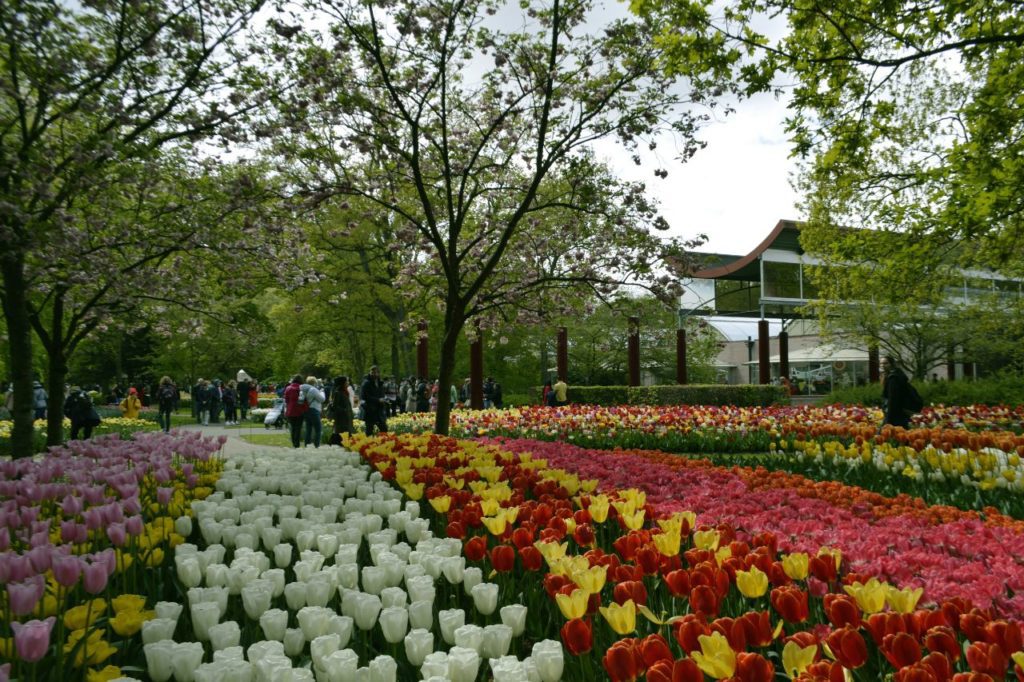
Keukenhof Gardens
Kraków, Poland: Easter fairs and local traditions
Kraków has some wonderful, distinctive Easter customs, including the historic Emaus Fair, held on Easter Monday. Dating back centuries, the fair is known for its stalls selling wooden toys and handmade crafts, and traditional Polish sweets.
On the Tuesday after Easter, the Rękawka festival takes place near Krakus Mound. This celebration of the city’s ancient traditions includes medieval re-enactments and demonstrations of historic crafts.
Kraków’s enormous Main Market Square is worth visiting at any time of year – a central covered market surrounded by bars and restaurants. Wawel Castle and the historic Jewish quarter of Kazimierz are not far away, it’s easy to get a walking tour locally that covers all the main sites and explains more about Poland’s fascinating history. If you make Kraków your base, possible day trips include the Wieliczka Salt Mine, with its underground chambers and chapels carved from salt, and the Auschwitz-Birkenau Memorial and Museum.
Kraków has direct rail connections with Warsaw and Prague. For a longer holiday, Berlin, Krakow and Budapest combines all three cities, with overnight sleeper trains for part of the journey.
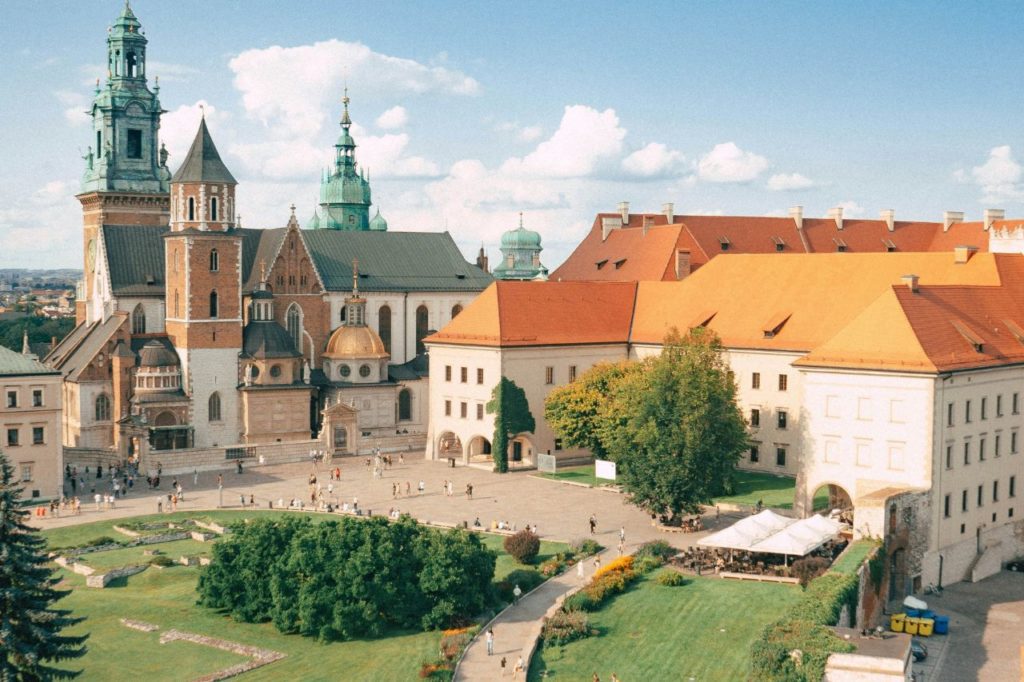
Budapest, Hungary: Easter traditions and thermal baths
Budapest has its own Easter customs, including locsolkodás, or Easter sprinkling. On Easter Monday, boys and men traditionally sprinkle women with water or perfume, receiving decorated eggs in return. You’ll also find Easter markets selling Hungarian crafts and seasonal foods.
But one of the best reasons to visit Budapest in spring is the city’s famous thermal baths. At Széchenyi, for example, you can soak in the outdoor pools even when the air is still chilly, surrounded by grand Neo-Baroque architecture. Find out more about the city’s bathing culture in our guide to The Spas of Budapest.
Make time to see the magnificent Hungarian Parliament Building on the banks of the Danube, or cross the river to explore Buda Castle and enjoy views over the city.
Budapest is just two and a half hours from Vienna by direct train. For a longer stay in the Hungarian capital, Budapest Without Flying includes three nights in the city, with an overnight sleeper train for part of the journey.
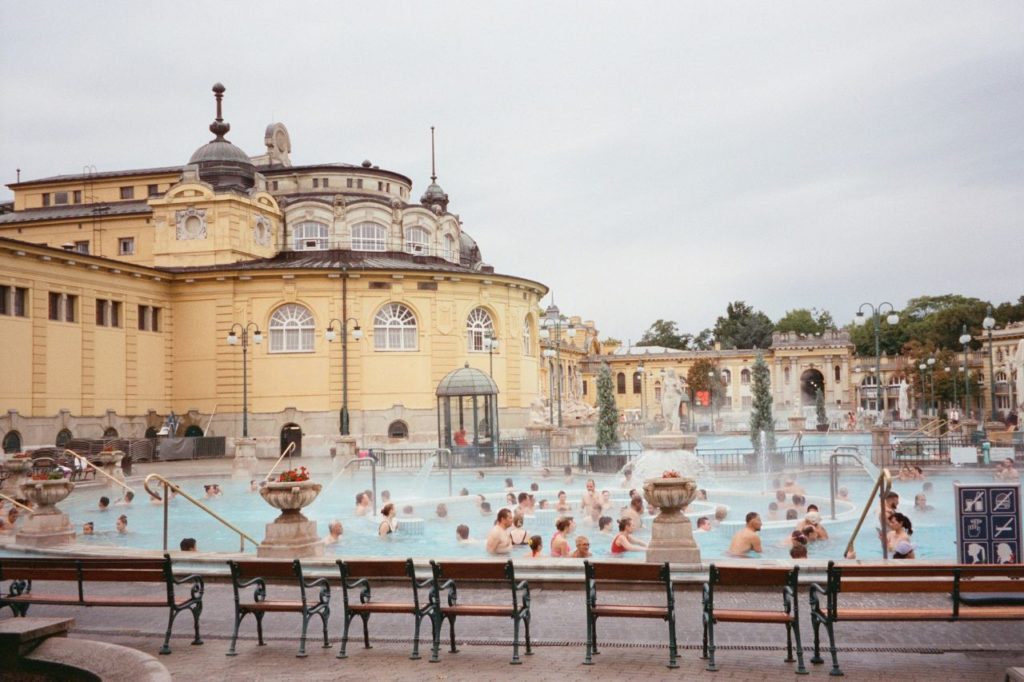
Széchenyi Bath, Budapest
Seville, Spain: Semana Santa and spring sunshine
During Semana Santa, or Holy Week, enormous religious floats known as pasos are carried through Seville’s streets, accompanied by marching bands and participants in traditional robes. Some processions continue late into the night, and you may hear a saeta, a traditional religious song sung from a balcony as the procession passes below. The celebrations take place in Holy Week, from 21–28 March in 2027.
Seville is famous for its sunshine, and spring, when the orange trees blossom, is the perfect time to go, before the intense summer heat arrives. Visit the Real Alcázar and its gardens, admire the vast Gothic cathedral, wander the narrow streets of Santa Cruz or stroll around the Plaza de España.
Seville is easily reached by high-speed train from Madrid, which has its own Holy Week processions. Our Luxury Barcelona, Madrid and Seville by Rail holiday combines all three cities. In Barcelona, look out for the elaborate chocolate creations displayed in patisserie windows as part of the Catalan Mona de Pasqua Easter tradition.
Update: Since this blog was written, in the wake of the accident in Spain, we are monitoring the situation. It is likely that high speed trains on this route will be affected for some time.
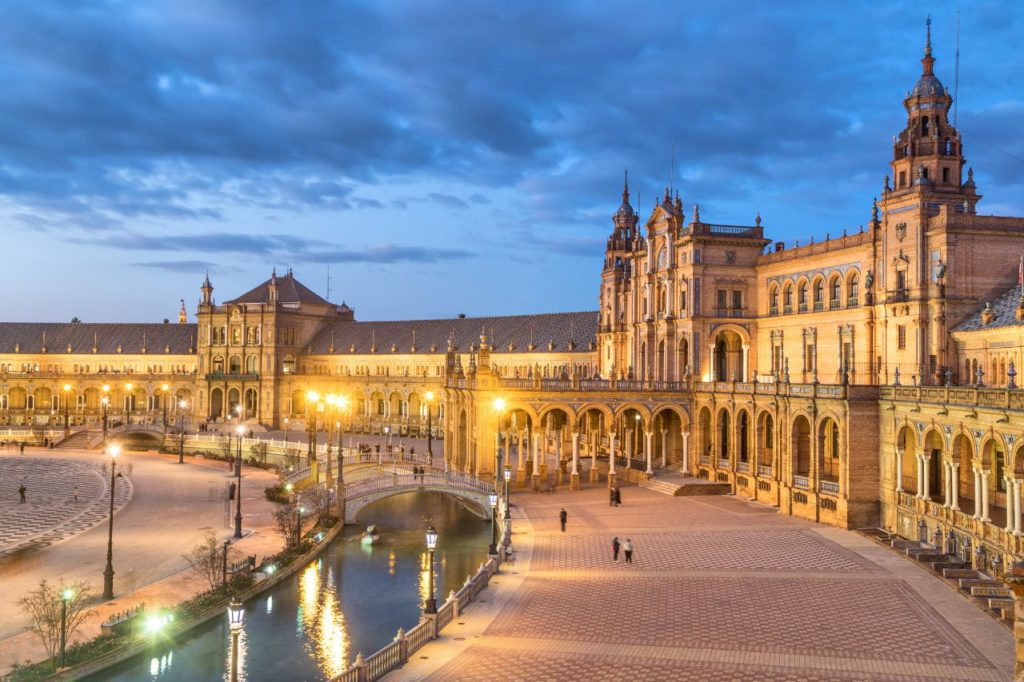
Plaza De Espana, Seville
Planning an Easter rail holiday in Europe
Spring is a great time to travel around Europe by train. The days are getting longer, more southerly places in Europe are warming up nicely and in the mountains, you might be able to catch the last of the snow. It’s the perfect season to be ambitious with your plans, combining several cities or destinations outside of the hottest months and without needing to take lots of layers to banish the cold!
Easter itself is a popular time to travel, especially over the school holidays in cities with major celebrations, so we recommend booking before Christmas if possible. Our Travel Designers can plan a route around the events you’d like to attend, when hotels are likely to book up quickly, or avoid the busiest dates with a holiday either side of Easter.
Frequently asked questions
When is Easter in Europe in 2027?
Western Easter Sunday falls on 28 March 2027, while Orthodox Easter Sunday is on 2 May. Some markets and celebrations begin well before Easter weekend, so check the dates for your chosen destination.
Is Easter a good time to visit Europe?
Yes, especially if you enjoy sightseeing in milder temperatures. Spring brings longer days and seasonal events, although the weather can still be cool in northern Europe. Popular destinations may also be busy over the Easter holidays.
Where are the best Easter markets in Europe?
Prague and Vienna are well known for their Easter markets, with decorated eggs and traditional crafts. Kraków also has seasonal markets and local celebrations worth seeing.
Can I travel to Europe by train at Easter?
Certainly. Many European cities can be reached from London using Eurostar and connecting services. Our Travel Designers can arrange your rail journeys and accommodation together, including longer itineraries with several stops.
Plan your spring rail holiday
Whether you’d like to attend a traditional Easter celebration or spend a few days exploring Europe before the summer rush, we can help you plan a holiday that suits you.
Browse our suggested rail holidays for inspiration or get in touch with one of our Travel Designers to discuss a tailor-made itinerary.
Recent Posts


Recommended Itineraries



Share this post