

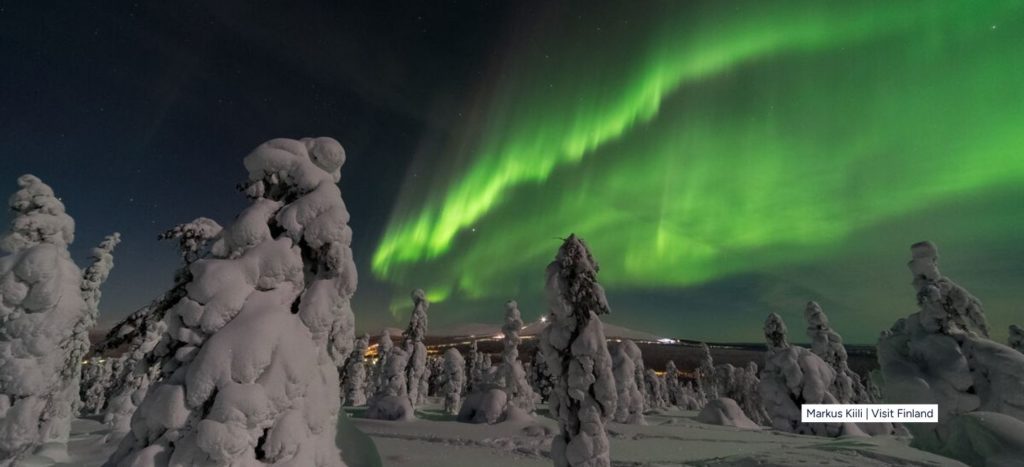
See the Northern Lights by Train in 2026
See the Northern Lights by Train in 2026/2027
Seeing the Northern Lights is high on many people’s travel wish lists, and you don’t have to fly to reach the Arctic Circle. Travel north from the UK by train and you can combine time in Scandinavia’s cities with sleeper trains, scenic rail journeys and several nights in some of the best places to see the aurora.
Travel to Finnish or Swedish Lapland, or head north through Norway, with plenty of options for combining the Northern Lights with some of Scandinavia’s best rail journeys.
Northern Lights by train at a glance
- Northern Lights season: September to March or early April
- Longest nights: December and January
- Where to go: Northern Norway, Swedish Lapland and Finnish Lapland
- Popular destinations: Bodø, Kiruna, Abisko and Rovaniemi
- Getting there: Travel from the UK by rail, with sleeper trains, ferries and the option to include the Hurtigruten Coastal Express
- How long to stay: Allow several nights in the Arctic to give yourself more opportunities to see the Northern Lights
- Good to know: Sightings are never guaranteed and depend on solar activity, cloud cover and weather conditions
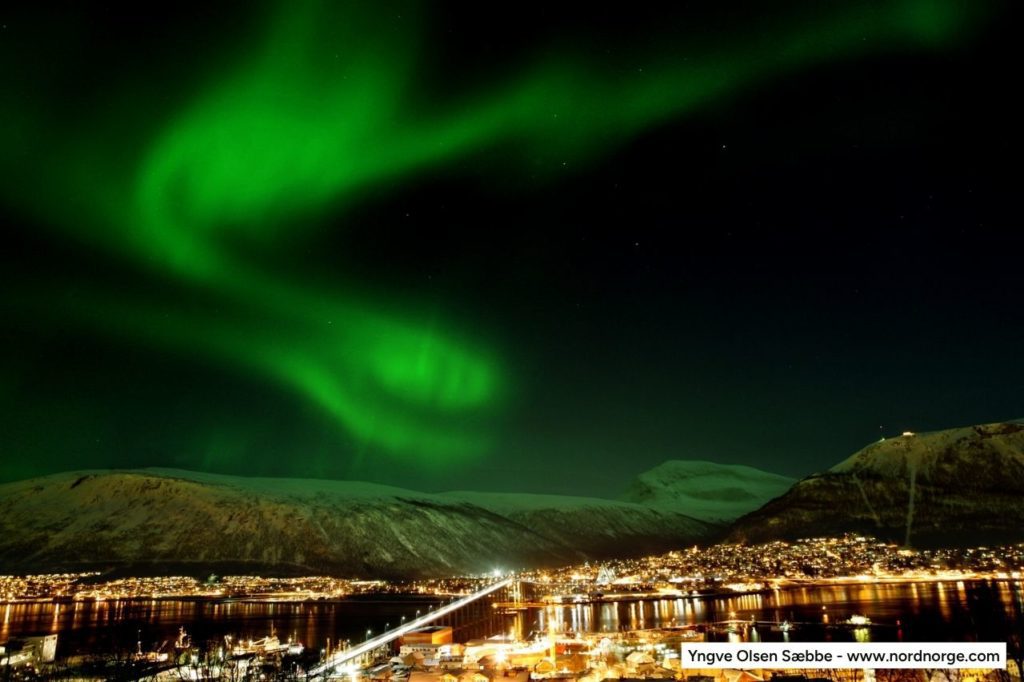
Northern Lights over Trømsø
When is the best time to see the Northern Lights by train?
The Northern Lights season in Scandinavia generally runs from September to March or early April, the best months to plan a winter rail holiday to see the aurora.
The 2026/2027 season follows the solar maximum of Solar Cycle 25, a period of increased solar activity that can produce more frequent and intense auroral displays. Although the Sun is now moving on from the peak of its cycle, strong Northern Lights displays are still possible.
December and January have the longest hours of darkness, giving you plenty of opportunity to look for the aurora. However, auroral activity can also be particularly strong around the autumn and spring equinoxes, making September, October and March good times to travel. February and March are also worth considering, with long, dark nights alongside increasing daylight for sightseeing and winter activities.
Remember though, the Northern Lights are a natural phenomenon, so sightings can never be guaranteed. Weather, cloud cover and auroral activity all play a part. But, spending several nights in the Arctic will give you more chance to see the display.
Where can you see the Northern Lights by train?
Some of the best places to see the Northern Lights are surprisingly easy to reach by rail. From the UK, you can travel by train through Europe and into Scandinavia, with onward rail connections and sleeper trains taking you north towards the Arctic Circle.
Destinations including Rovaniemi in Finnish Lapland, Kiruna and Abisko in Swedish Lapland, and Bodø in Northern Norway can all be reached as part of a rail holiday. You can also combine your journey with the famous Hurtigruten Coastal Express, travelling along Norway’s coast and further into the Arctic.
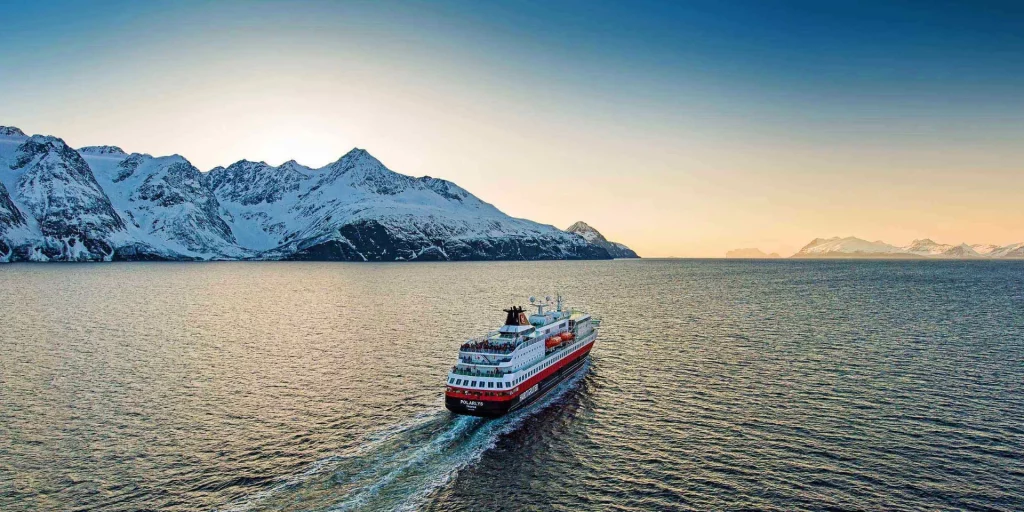
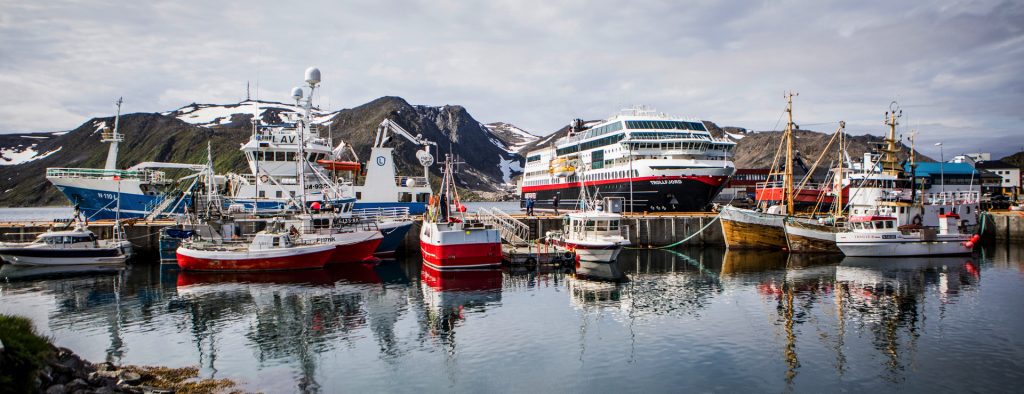
The Hurtigruten Coastal Express cruise
Rovaniemi and Finnish Lapland
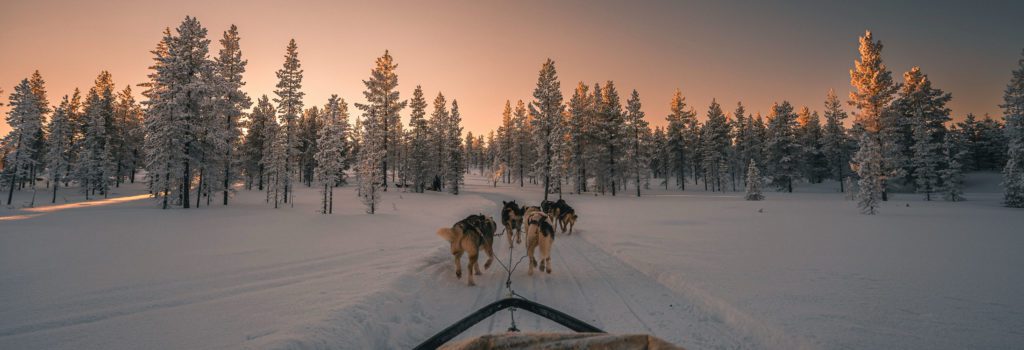
Rovaniemi sits on the Arctic Circle in Finnish Lapland and is a popular base for seeing the Northern Lights. Winter also brings plenty to do during the day, including husky sledding, reindeer experiences and snowmobile trips.
Our Stockholm, Helsinki & the Northern Lights by Rail holiday takes you from London via Münster and Copenhagen to Stockholm. Continue by overnight ferry to Helsinki before travelling north to Rovaniemi, where you’ll spend three nights above the Arctic Circle.
Kiruna and Swedish Lapland
Kiruna is one of the main gateways to Swedish Lapland and can be reached by overnight train from Stockholm. Its location north of the Arctic Circle brings long, dark nights during winter and plenty of opportunities to look for the Northern Lights.
From here, you can continue to Abisko or cross into Norway, making it easy to include several Arctic destinations in one holiday.
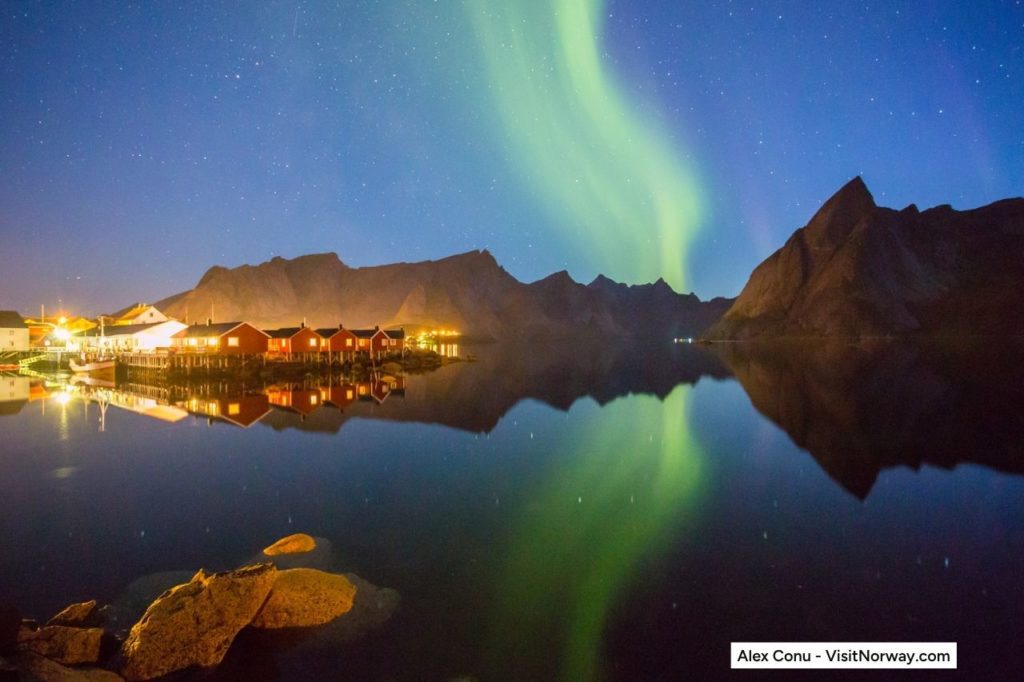
Northern Lights Hamnøy Lofoten
Abisko
Around 90 minutes by train from Kiruna, Abisko is one of Sweden’s best-known Northern Lights destinations. Abisko National Park is popular with star gazers for its favourable viewing conditions and the Aurora Sky Station – the ‘best place on earth to experience the Northern Lights’.
Abisko can easily be added to a tailor-made journey through Swedish Lapland, or combined with time in Kiruna and an overnight train to or from Stockholm.
Bodø and Northern Norway
The Nordland Line runs north from Trondheim to Bodø, crossing the Arctic Circle on the way. It’s one of Norway’s great scenic rail journeys, passing through mountains and remote landscapes before reaching the country’s northern coast.
Our London to the Arctic Circle holiday travels overland from London to Norway, with time in Oslo and Trondheim before continuing north towards Bodø. You can also combine rail travel with the Hurtigruten Coastal Express, travelling further north along the Norwegian coast.
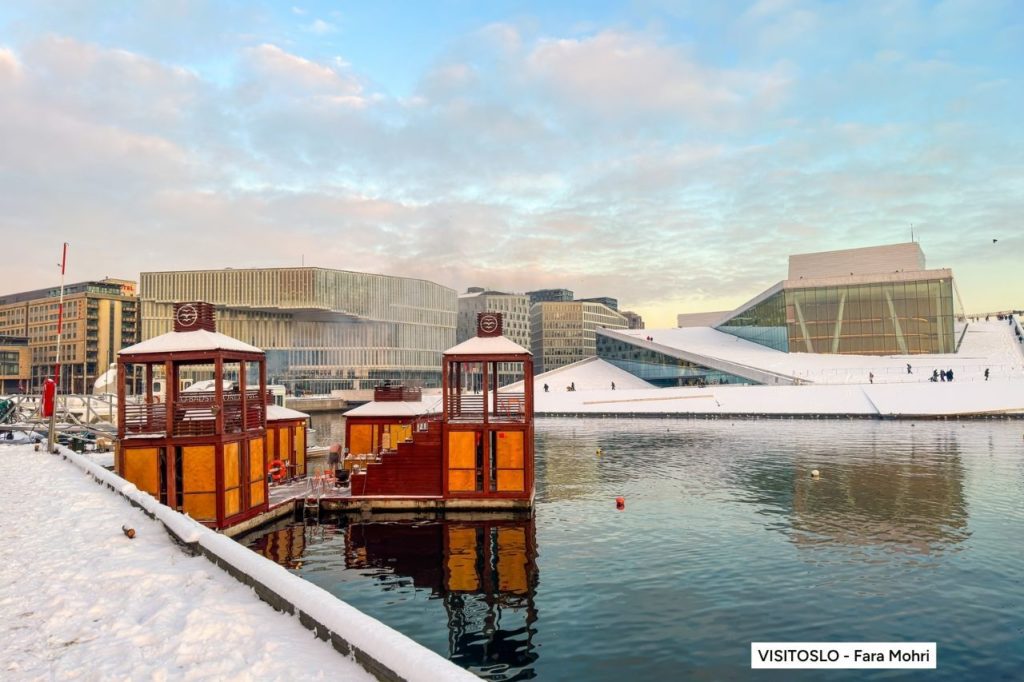
Oslo – Opera and winter sauna
Combine the Northern Lights with a festive rail holiday
Travel in November or December and you can combine a Northern Lights holiday with some of Scandinavia’s festive experiences. Rovaniemi is the official hometown of Santa Claus, while cities including Stockholm and Helsinki are dressed for Christmas, with seasonal events and markets taking place throughout the festive period.
You could also make the journey north part of a longer winter holiday, stopping at festive destinations elsewhere in Europe along the way. Several places en route have excellent Christmas markets, such as Cologne.
For even more seasonal inspiration, take a look at our best festive experiences to visit by train in Europe, including unusual Christmas traditions, winter light displays and spectacular scenic rail journeys across Europe.
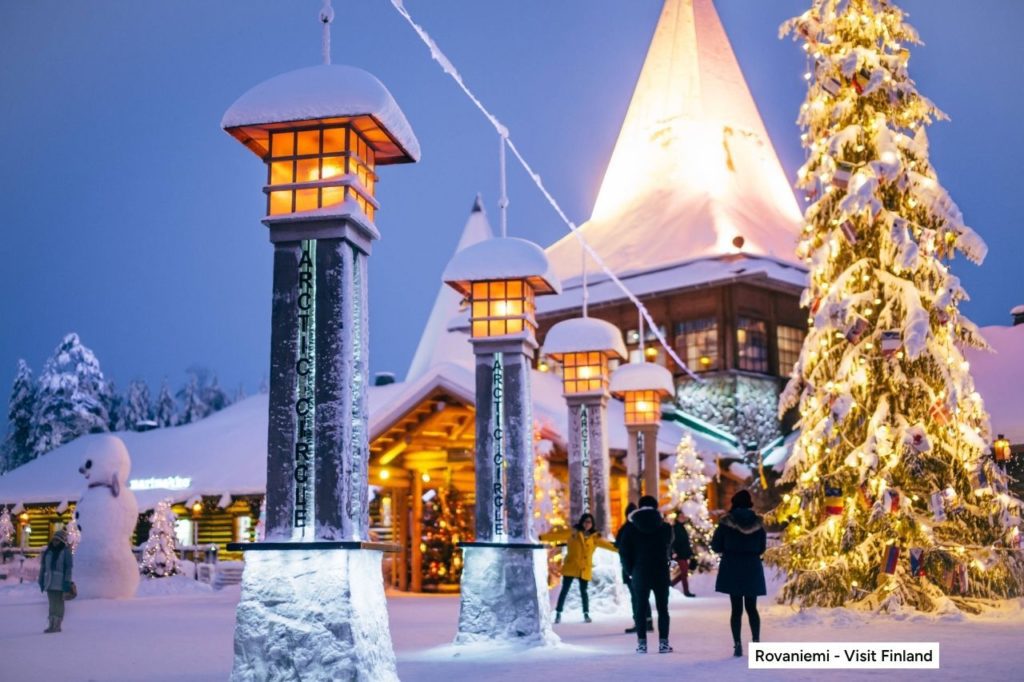
Santa Claus Village, Rovaniemi, Finland
Tailor-made Northern Lights rail holidays
Our Northern Lights rail holidays can be tailored around where you want to go and how long you want to spend in Scandinavia. Combine time in the Arctic with overnight trains, scenic rail journeys, Christmas markets or a voyage along the Norwegian coast aboard the Hurtigruten Coastal Express.
Alternatively, speak to one of our Travel Designers about creating a Northern Lights rail holiday around the places and experiences you’d most like to include. Find out more about how to plan a tailor-made rail holiday.
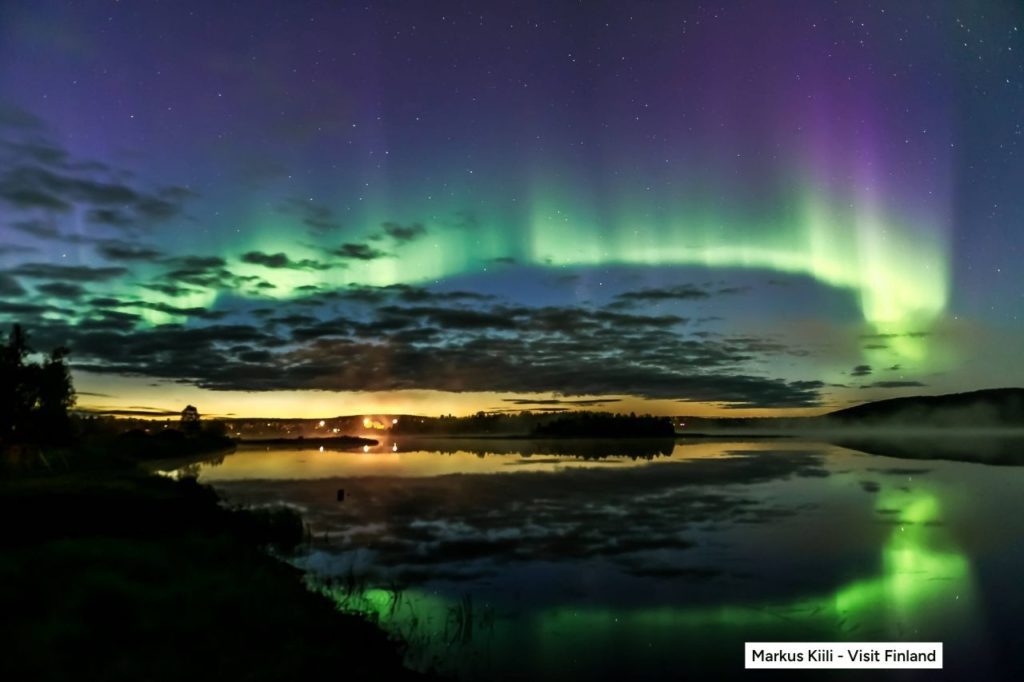
Northern Lights, Finland
Northern Lights by train FAQs
What is the best month to see the Northern Lights?
The Northern Lights season in Scandinavia generally runs from September to March or early April. December and January have the longest hours of darkness, while September, October and March can benefit from increased auroral activity around the equinoxes. February and March are also good choices if you want dark nights combined with more daylight for sightseeing.
Can you see the Northern Lights by travelling from the UK by train?
Yes. You can travel from London by train through northern Europe and on into Norway, Sweden and Finland without flying. Depending on your route, the journey can include overnight trains, ferries and scenic rail journeys as you travel towards the Arctic Circle.
Where can you see the Northern Lights by train?
Rovaniemi in Finnish Lapland, Kiruna and Abisko in Swedish Lapland, and Bodø in Northern Norway can all form part of a Northern Lights holiday by rail. Each offers good access to areas within or above the Arctic Circle.
Can you see the Northern Lights in January and February 2027?
Yes. January and February fall within the main Northern Lights season in Scandinavia. The long hours of darkness at this time of year provide plenty of opportunities for aurora viewing, although sightings depend on solar activity, cloud cover and local weather conditions.
How many nights should I stay to see the Northern Lights?
It’s worth allowing at least a few nights in your chosen Northern Lights destination. The aurora doesn’t appear on demand, so staying for several nights gives you more opportunities if cloud cover or weather conditions prevent a sighting on one evening.
Are the Northern Lights guaranteed?
No. The Northern Lights are a natural phenomenon and sightings can never be guaranteed. Solar activity, darkness, cloud cover and weather conditions all affect whether you’ll see them on a particular night.
Recent Posts
Recommended Itineraries

Share this post






Featured Destinations